
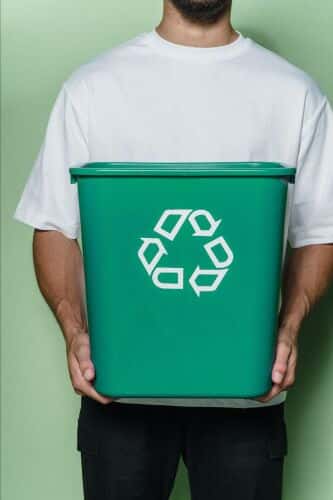
Polyfoam XPS supports increased recycling of extruded polystyrene insulation
Two sites, including a large shopping centre in the south-east of England, have been able to recycle extruded polystyrene (XPS) insulation removed from existing roofs. Thanks to advice from Polyfoam XPS, the sites were put in contact with a leading polystyrene recycling company, who can recycle XPS even when it is contaminated with other materials.
In the case of the shopping centre site, some 40,000m2 of existing insulation was stripped from the roof. All of that product would have gone to landfill, had Polyfoam XPS not been able to help.
“Neither site had Polyfoam XPS material installed on the roofs,” said Phil Hodges, National Sales Manager at Polyfoam XPS. “So we didn’t know anything about the age of the existing insulation, or how it had been installed. That didn’t prevent the recycling company being able to receive and process the material.”
The recovery and recycling of XPS potentially represents a shift in how insulation specification is viewed within the construction industry. Like other plastic-based and petroleum-based insulants, polystyrene can, with some justification, be viewed sceptically from a sustainability point of view.
News that significant volumes of recovered insulation have been successfully recycled gives construction professionals the encouragement that XPS can be part of their specifications while still showing consideration for end-of-life scenarios other than waste to landfill.
“We first spoke to the recycling industry a few years ago, as we wanted to better understand what was possible with XPS material,” said Rob Firman, Technical and Specification Manager at Polyfoam XPS.
He added: “Unlike other rigid foam insulation boards, XPS has no integral foil facing. We were therefore confident that XPS products in buildings had inherent recycling potential, but we needed that expert confirmation.”
There is a misconception that any contamination of insulation, such as concrete, is a barrier to recycling. As a result, sustainability-conscious specifiers are sometimes wary of selecting XPS for their projects, even though its robustness and compressive strength may be of benefit to their project.
Now, with these two projects helping to show what is possible, wider communication is key to making this kind of recovery an everyday part of dealing with existing buildings and any XPS insulation they contain. Find out more by reading our original 2023 blog post about recycling XPS.